


-
Table of Contents
“Revolutionizing medical technology with the strength and versatility of carbon fiber sheets.”
Introduction
Carbon fiber sheets are revolutionizing the way medical devices are manufactured. This lightweight and strong material is being used in a variety of medical applications, from prosthetics to surgical instruments. Its unique properties are transforming the medical industry, making devices more durable, precise, and efficient. In this article, we will explore how carbon fiber sheets are changing the game in medical device manufacturing and the benefits they bring to both patients and healthcare professionals.
Benefits of Using Carbon Fiber Sheets in Medical Device Manufacturing
Carbon fiber sheets have been making waves in the world of medical device manufacturing. This lightweight and strong material has been revolutionizing the way medical devices are designed and produced. In this article, we will explore the benefits of using carbon fiber sheets in medical device manufacturing and how it is transforming the industry.
One of the main benefits of using carbon fiber sheets in medical device manufacturing is its strength-to-weight ratio. Carbon fiber is known for its high strength and low weight, making it an ideal material for medical devices. This is especially important for devices that need to be lightweight and portable, such as prosthetics and surgical tools. With carbon fiber, these devices can be made stronger and more durable without adding extra weight, making them easier to handle and use.
In addition to its strength, carbon fiber is also highly resistant to corrosion and chemicals. This is a crucial factor in medical device manufacturing, as these devices often come into contact with bodily fluids and harsh chemicals. With carbon fiber, medical devices can withstand these environments without deteriorating or losing their structural integrity. This not only ensures the longevity of the device but also reduces the risk of contamination and infection for patients.
Another benefit of using carbon fiber sheets in medical device manufacturing is its flexibility. Carbon fiber can be molded into various shapes and sizes, making it suitable for a wide range of medical devices. This flexibility allows for more intricate and precise designs, which is crucial for devices such as surgical instruments and implants. With carbon fiber, medical devices can be customized to fit the specific needs of each patient, resulting in better outcomes and improved patient satisfaction.
Moreover, carbon fiber is biocompatible, meaning it is compatible with the human body. This is a crucial factor in medical device manufacturing, as these devices are often implanted or used in close contact with the body. With carbon fiber, there is a lower risk of rejection or adverse reactions from the body, making it a safer option for medical devices. This also reduces the need for additional coatings or materials to make the device biocompatible, resulting in a more cost-effective and efficient manufacturing process.
In addition to its physical properties, carbon fiber also offers benefits in terms of production and cost. Carbon fiber sheets can be produced in large quantities with minimal waste, making it a more sustainable option compared to traditional materials such as metal. This not only reduces the environmental impact but also lowers production costs, resulting in more affordable medical devices for patients.
Furthermore, carbon fiber is a highly durable material, with a lifespan of up to 20 years. This means that medical devices made from carbon fiber can last longer, reducing the need for frequent replacements. This is especially beneficial for devices such as prosthetics, which can be costly and time-consuming to replace. With carbon fiber, patients can have a longer-lasting and more reliable device, improving their quality of life.
In conclusion, the benefits of using carbon fiber sheets in medical device manufacturing are numerous. From its high strength-to-weight ratio and resistance to corrosion and chemicals to its flexibility and biocompatibility, carbon fiber is transforming the way medical devices are designed and produced. With its cost-effectiveness and durability, it is no surprise that more and more medical device manufacturers are turning to carbon fiber as their material of choice. As technology continues to advance, we can expect to see even more innovative and life-changing medical devices made from carbon fiber in the future.
Innovative Applications of Carbon Fiber Sheets in the Medical Industry
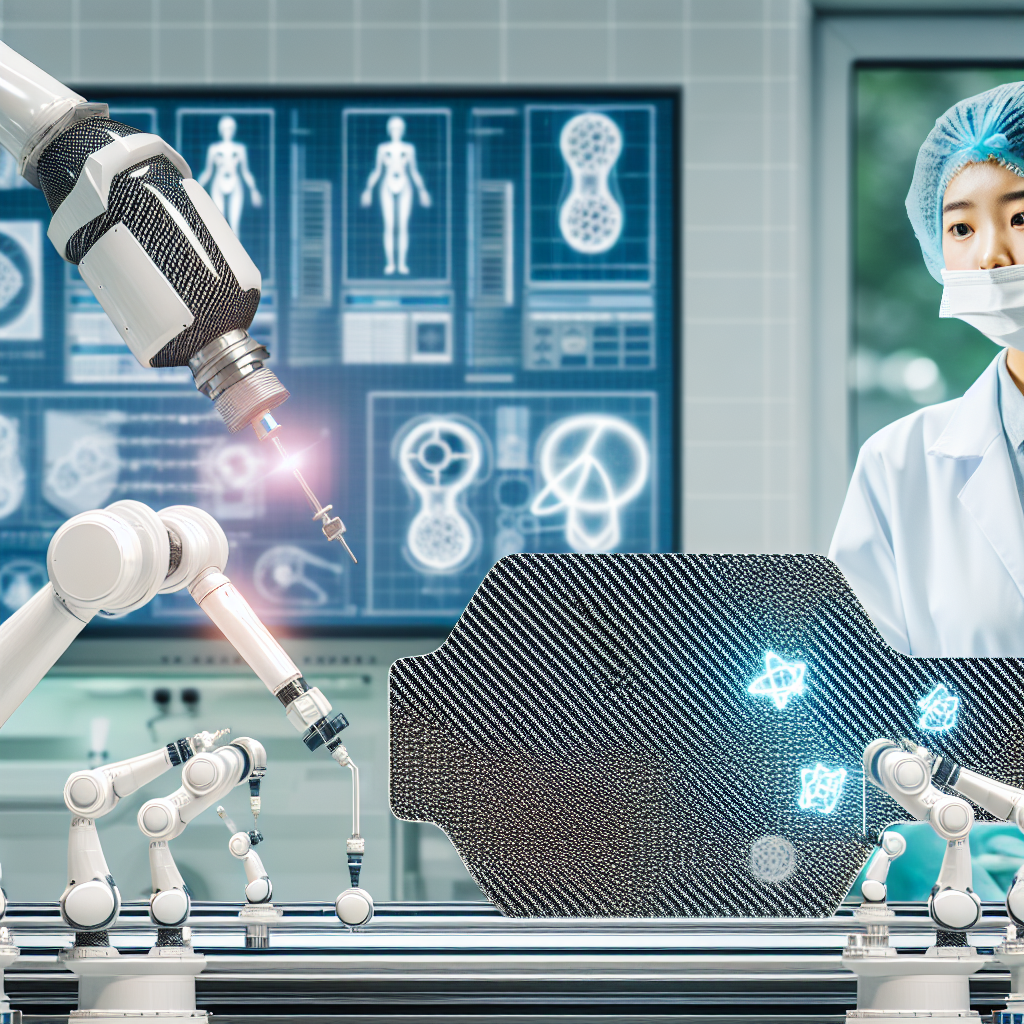
Carbon fiber sheets have been revolutionizing the manufacturing industry for decades, with their lightweight yet incredibly strong properties. However, in recent years, these sheets have found a new and innovative application in the medical industry. From surgical instruments to prosthetics, carbon fiber sheets are transforming the way medical devices are designed and manufactured.
One of the main reasons for the increasing use of carbon fiber sheets in the medical industry is their strength-to-weight ratio. These sheets are five times stronger than steel, yet weigh significantly less. This makes them ideal for use in medical devices, where weight and strength are crucial factors. For instance, surgical instruments made from carbon fiber sheets are lighter and more durable, allowing surgeons to perform delicate procedures with greater precision and control.
Moreover, carbon fiber sheets are also biocompatible, meaning they do not cause any adverse reactions when in contact with the human body. This makes them suitable for use in medical implants, such as bone plates and screws. In the past, metal implants were the go-to option for such procedures, but they often caused complications such as corrosion and rejection by the body. With carbon fiber sheets, these issues are eliminated, making them a safer and more reliable choice for medical implants.
Another innovative application of carbon fiber sheets in the medical industry is in the production of prosthetics. Traditional prosthetics made from metal or plastic can be heavy and uncomfortable for the user. However, with the use of carbon fiber sheets, prosthetics can be made lighter and more flexible, providing a more natural and comfortable experience for the user. Additionally, these sheets can be molded into complex shapes, allowing for a more customized fit for each individual.
In addition to their strength and biocompatibility, carbon fiber sheets also have excellent imaging properties. This means that they can be easily seen on medical imaging devices such as X-rays and MRIs, making them ideal for use in medical devices that require imaging, such as surgical tools and implants. This allows for better visualization and accuracy during medical procedures, ultimately leading to better patient outcomes.
Furthermore, the use of carbon fiber sheets in medical device manufacturing has also led to a reduction in costs. While the initial cost of these sheets may be higher than traditional materials, their durability and longevity make them a cost-effective option in the long run. This is especially beneficial for medical facilities that need to replace and maintain their equipment regularly.
One of the most exciting and innovative applications of carbon fiber sheets in the medical industry is in the development of exoskeletons. These wearable devices are designed to assist individuals with mobility impairments, allowing them to walk and perform daily tasks with greater ease. Carbon fiber sheets are the perfect material for exoskeletons, as they are lightweight, strong, and can be molded into intricate shapes. This allows for a more comfortable and natural fit for the user, making the exoskeletons more effective and user-friendly.
In conclusion, carbon fiber sheets are transforming the way medical devices are designed and manufactured. Their strength, biocompatibility, imaging properties, and cost-effectiveness make them an ideal choice for a wide range of medical applications. As technology continues to advance, we can expect to see even more innovative uses of carbon fiber sheets in the medical industry, further improving patient care and outcomes.
The Future of Medical Device Manufacturing with Carbon Fiber Sheets
The medical device industry is constantly evolving, with new technologies and materials being introduced to improve patient outcomes and enhance the efficiency of medical procedures. One such material that is gaining popularity in the medical device manufacturing sector is carbon fiber sheets. These lightweight and strong sheets are revolutionizing the way medical devices are designed and manufactured, leading to better performance and increased patient satisfaction.
Carbon fiber is a composite material made up of carbon fibers and a resin matrix. It is known for its high strength-to-weight ratio, making it an ideal material for applications where weight and strength are crucial factors. In the medical field, where precision and durability are essential, carbon fiber sheets are proving to be a game-changer.
One of the main advantages of using carbon fiber sheets in medical device manufacturing is their lightweight nature. Medical devices, such as surgical instruments and implants, need to be lightweight for ease of use and patient comfort. Carbon fiber sheets are up to five times lighter than steel, making them an ideal choice for medical devices that need to be handheld or implanted in the body.
Moreover, carbon fiber sheets are incredibly strong and rigid, making them suitable for applications that require high strength and stiffness. This is especially important in surgical instruments, where precision and stability are crucial for successful procedures. The use of carbon fiber sheets in surgical instruments has led to improved accuracy and reduced fatigue for surgeons, resulting in better patient outcomes.
Another significant advantage of carbon fiber sheets in medical device manufacturing is their biocompatibility. Biocompatibility refers to the ability of a material to coexist with living tissues without causing any adverse reactions. Carbon fiber sheets are biocompatible, meaning they can be safely used in medical devices that come into contact with the human body. This makes them an ideal material for implants, such as bone plates and screws, as they can integrate seamlessly with the surrounding tissues without causing any harm.
In addition to their physical properties, carbon fiber sheets also offer design flexibility, allowing for the creation of complex and intricate medical devices. The sheets can be molded into various shapes and sizes, making them suitable for a wide range of medical applications. This flexibility in design has led to the development of innovative medical devices that were previously not possible with traditional materials.
The use of carbon fiber sheets in medical device manufacturing has also led to cost savings for manufacturers. While the initial cost of carbon fiber sheets may be higher than traditional materials, their durability and strength mean that they have a longer lifespan, reducing the need for frequent replacements. This not only saves money but also reduces the environmental impact of medical device manufacturing.
Furthermore, carbon fiber sheets are non-corrosive, making them resistant to chemicals and bodily fluids. This is particularly important in medical devices that come into contact with bodily fluids, such as catheters and endoscopes. The use of carbon fiber sheets in these devices ensures their longevity and reduces the risk of contamination.
In conclusion, carbon fiber sheets are transforming the future of medical device manufacturing. Their lightweight, strength, biocompatibility, and design flexibility make them an ideal material for a wide range of medical applications. With the continuous advancements in technology and materials, it is safe to say that carbon fiber sheets will continue to play a significant role in the development of innovative and efficient medical devices, ultimately improving patient care and outcomes.
Q&A
1. What are carbon fiber sheets and how are they used in medical device manufacturing?
Carbon fiber sheets are thin, lightweight sheets made from carbon fibers that are woven together and then bonded with a resin. They are used in medical device manufacturing as a strong and durable material for various components, such as prosthetics, surgical instruments, and implants.
2. How are carbon fiber sheets transforming the medical device manufacturing industry?
Carbon fiber sheets offer several advantages over traditional materials like metal and plastic. They are stronger, lighter, and more flexible, making them ideal for creating complex and intricate medical devices. They also have a high strength-to-weight ratio, making them suitable for use in devices that need to be both strong and lightweight.
3. What are some specific examples of medical devices that are now being made with carbon fiber sheets?
Some specific examples of medical devices that are now being made with carbon fiber sheets include prosthetic limbs, surgical instruments, orthopedic implants, and medical imaging equipment. Carbon fiber sheets are also being used in the production of medical equipment such as wheelchairs, braces, and medical carts. Additionally, carbon fiber sheets are being used in the development of advanced medical technologies, such as 3D-printed organs and robotic surgical tools.