


-
Table of Contents
“Reach new heights with the unbeatable strength of carbon fiber yarn climbing ropes.”
Introduction
Carbon fiber yarn is a revolutionary material that has been used to create some of the strongest and most durable climbing ropes in the world. This high-performance material is made from thin strands of carbon fibers that are tightly woven together to form a strong and lightweight rope. With its incredible strength and durability, carbon fiber yarn has become a game-changer in the world of climbing, providing climbers with a reliable and safe option for their adventures. In this article, we will explore the properties and benefits of carbon fiber yarn and how it has transformed the world of climbing.
Benefits of Using Carbon Fiber Yarn in Climbing Ropes
Climbing is a popular and exhilarating sport that requires strength, skill, and the right equipment. One of the most crucial pieces of equipment for climbers is their rope. It is the lifeline that connects them to the rock and ensures their safety. Over the years, climbing ropes have evolved, and one of the most significant advancements has been the use of carbon fiber yarn. This innovative material has revolutionized the climbing industry, creating ropes that are not only stronger but also lighter and more durable. In this article, we will explore the benefits of using carbon fiber yarn in climbing ropes.
First and foremost, carbon fiber yarn is incredibly strong. It is made up of thin strands of carbon atoms that are tightly woven together, creating a material that is five times stronger than steel. This strength is crucial in climbing ropes as it allows them to withstand the immense force and weight of a falling climber. Traditional ropes made of nylon or polyester can stretch up to 10% under tension, which can be dangerous for climbers. However, ropes made with carbon fiber yarn have minimal stretch, providing a more secure and stable experience for climbers.
Moreover, the strength of carbon fiber yarn allows for the creation of thinner ropes without compromising safety. Thinner ropes are desirable for climbers as they are lighter and easier to handle. They also take up less space in a climber’s backpack, making it easier to carry multiple ropes for longer climbs. With carbon fiber yarn, ropes can be made with a smaller diameter while still maintaining the same strength as thicker ropes. This not only benefits climbers but also the environment as it reduces the amount of material needed to make a rope.
Another significant advantage of using carbon fiber yarn in climbing ropes is its durability. Traditional ropes made of nylon or polyester can wear out quickly, especially when exposed to harsh weather conditions and rough surfaces. This can be a safety concern for climbers as worn-out ropes can break unexpectedly. However, carbon fiber yarn is highly resistant to abrasion and can withstand extreme temperatures, making it ideal for climbing in various environments. This durability also means that ropes made with carbon fiber yarn have a longer lifespan, reducing the need for frequent replacements and ultimately saving climbers money in the long run.
In addition to its strength and durability, carbon fiber yarn is also incredibly lightweight. This is a significant advantage for climbers as they often have to carry heavy gear while navigating challenging terrain. Traditional ropes can weigh up to 10 pounds per 60 meters, while ropes made with carbon fiber yarn can weigh as little as 5 pounds for the same length. This significant weight reduction not only makes it easier for climbers to carry their ropes but also allows them to move more efficiently and quickly, enhancing their overall climbing experience.
Furthermore, carbon fiber yarn is resistant to moisture, which is a crucial factor in climbing ropes. Traditional ropes can absorb water, making them heavier and more challenging to handle. They can also freeze in cold temperatures, making them stiff and difficult to use. Ropes made with carbon fiber yarn do not have these issues, making them ideal for climbing in wet or cold conditions. This resistance to moisture also means that the ropes dry quickly, reducing the risk of mold and mildew growth, which can weaken traditional ropes.
In conclusion, the use of carbon fiber yarn in climbing ropes has revolutionized the sport, providing climbers with stronger, lighter, and more durable ropes. Its strength, durability, and resistance to moisture make it an ideal material for creating ropes that can withstand the rigors of climbing. As technology continues to advance, we can only imagine the further improvements that will be made in climbing ropes, making the sport safer and more enjoyable for all.
Innovative Uses of Carbon Fiber Yarn in the Outdoor Industry
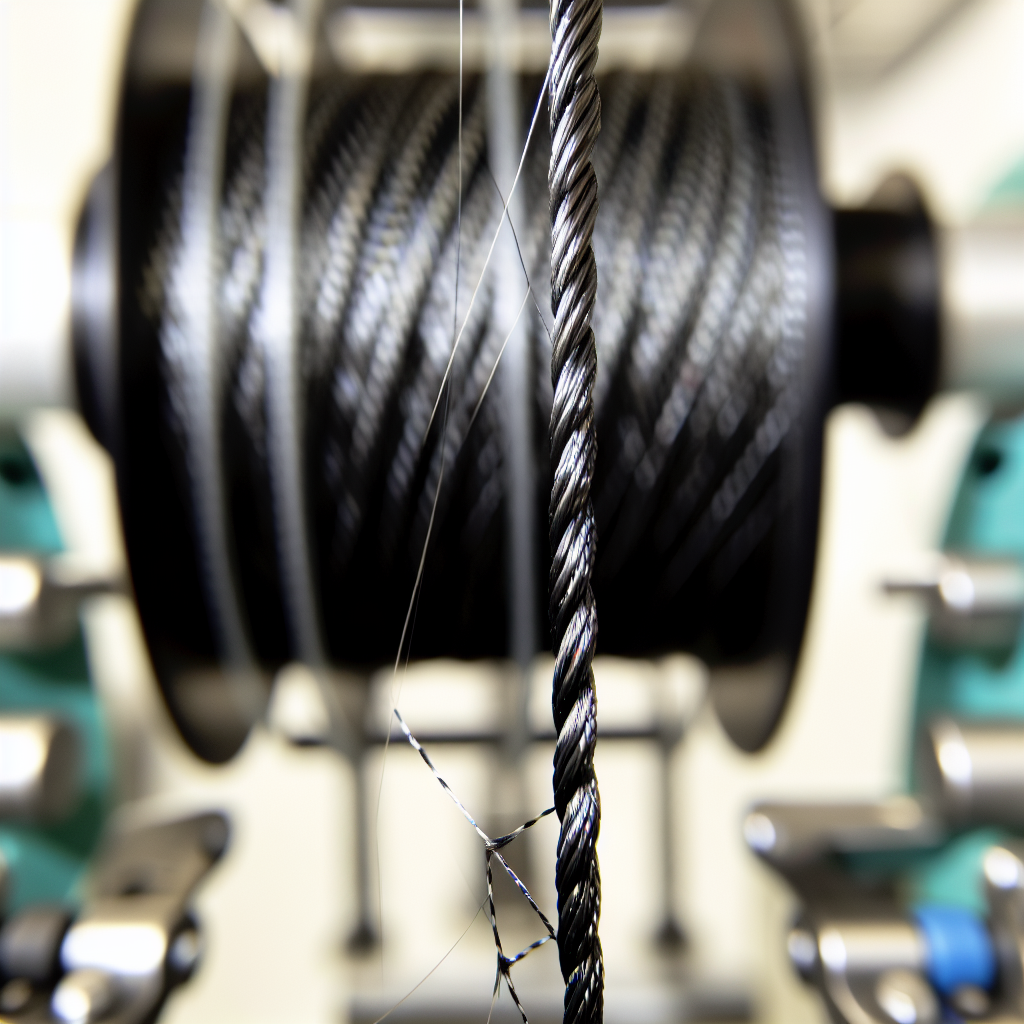
Carbon fiber yarn has been making waves in the outdoor industry with its innovative uses and impressive strength. This lightweight and durable material has been used in a variety of outdoor gear, from bicycles to kayaks. However, one of the most impressive applications of carbon fiber yarn is in the creation of the world’s strongest climbing ropes.
Climbing ropes are an essential piece of equipment for any climber, providing safety and support during their ascent. Traditionally, these ropes were made from natural fibers such as hemp or sisal. While these ropes were strong, they were also heavy and prone to wear and tear. With the introduction of synthetic materials like nylon, climbing ropes became lighter and more durable. However, the use of carbon fiber yarn has taken the strength and durability of climbing ropes to a whole new level.
Carbon fiber yarn is made from thin strands of carbon atoms that are tightly woven together. This creates a material that is incredibly strong and lightweight. In fact, carbon fiber yarn is five times stronger than steel and twice as stiff. This makes it an ideal material for use in climbing ropes, where strength and weight are crucial factors.
One of the most notable companies using carbon fiber yarn in their climbing ropes is Sterling Rope. They have developed a line of ropes called the Fusion Nano IX, which is made with a blend of nylon and carbon fiber yarn. This combination creates a rope that is not only incredibly strong but also has a low stretch rate, making it ideal for climbers who need precise movements and control.
The Fusion Nano IX has been tested and certified by the UIAA (International Climbing and Mountaineering Federation) as the world’s strongest single rope. It has a breaking strength of 9,000 pounds, which is significantly higher than traditional climbing ropes. This means that climbers can trust this rope to hold their weight and provide a secure anchor point during their ascent.
But the strength of the Fusion Nano IX is not the only impressive feature. The use of carbon fiber yarn also makes this rope incredibly lightweight. In fact, it is 32% lighter than other ropes of the same diameter. This may not seem like a significant difference, but for climbers who carry their gear for long distances, every ounce counts. The lighter weight of the Fusion Nano IX allows climbers to move more efficiently and with less fatigue, making it a game-changer in the climbing world.
Another benefit of using carbon fiber yarn in climbing ropes is its resistance to abrasion. Traditional ropes made from nylon or other synthetic materials are prone to wear and tear, especially when used in rough terrain. However, the carbon fiber yarn used in the Fusion Nano IX is highly resistant to abrasion, making it more durable and long-lasting. This means climbers can trust this rope to withstand the rigors of their adventures and provide reliable support for years to come.
In addition to climbing ropes, carbon fiber yarn has also been used in other outdoor gear, such as tents and backpacks. These products benefit from the strength and lightweight properties of carbon fiber yarn, making them more durable and easier to carry on long treks.
In conclusion, the use of carbon fiber yarn in the outdoor industry has revolutionized the strength and durability of climbing ropes. Companies like Sterling Rope have pushed the boundaries of what is possible with this material, creating the world’s strongest climbing rope. With its impressive strength, lightweight design, and resistance to abrasion, carbon fiber yarn is proving to be a game-changer in the world of outdoor gear. As technology continues to advance, we can only imagine the innovative uses of carbon fiber yarn that will emerge in the future.
The Future of Climbing Gear: Advancements in Carbon Fiber Yarn Technology
Climbing has always been a challenging and exhilarating sport, requiring strength, skill, and the right gear. Over the years, advancements in technology have greatly improved the equipment used by climbers, making it safer and more efficient. One of the most recent and exciting developments in climbing gear is the use of carbon fiber yarn to create the world’s strongest climbing ropes.
Carbon fiber is a lightweight and incredibly strong material that is widely used in various industries, including aerospace, automotive, and sports. It is made up of thin strands of carbon atoms that are tightly woven together, creating a material that is five times stronger than steel and twice as stiff. This makes it an ideal material for creating ropes that can withstand the extreme forces and conditions of climbing.
The use of carbon fiber yarn in climbing ropes is a relatively new concept, with the first ropes being introduced to the market in the early 2000s. These ropes were initially met with skepticism, as traditional climbing ropes were made of nylon, a material that had been tried and tested for decades. However, as climbers began to use and test the carbon fiber ropes, they quickly realized the immense benefits they offered.
One of the most significant advantages of carbon fiber ropes is their strength-to-weight ratio. Traditional nylon ropes are strong but also quite heavy, making them cumbersome to carry and use. On the other hand, carbon fiber ropes are incredibly lightweight, making them easier to handle and carry during climbs. This not only reduces the overall weight of a climber’s gear but also allows them to move more freely and efficiently on the rock face.
In addition to being lightweight, carbon fiber ropes also have a higher tensile strength than nylon ropes. This means that they can withstand greater forces without breaking or stretching, making them more reliable and safer for climbers. This is especially important in situations where a climber may take a fall, as the rope needs to be able to support their weight and absorb the impact without breaking.
Another significant advantage of carbon fiber ropes is their durability. Traditional nylon ropes are prone to wear and tear, especially when used frequently or in harsh conditions. This can compromise their strength and safety, requiring climbers to replace them more often. Carbon fiber ropes, on the other hand, are highly resistant to abrasion and can withstand extreme temperatures and UV exposure, making them more durable and long-lasting.
The use of carbon fiber yarn in climbing ropes has also allowed for the creation of thinner ropes without compromising strength. This means that climbers can now carry lighter and thinner ropes, allowing them to climb faster and with less drag. Thinner ropes also mean less rope drag, which can be a significant factor in challenging climbs where every ounce of weight and friction counts.
As with any new technology, there have been some concerns about the use of carbon fiber ropes in climbing. Some have questioned their ability to absorb falls as well as nylon ropes, while others have raised concerns about their ability to withstand sharp edges and rough surfaces. However, extensive testing and real-world use have proven that carbon fiber ropes are just as reliable and safe as traditional ropes, if not more so.
In conclusion, the use of carbon fiber yarn in climbing ropes has revolutionized the sport, offering climbers a lighter, stronger, and more durable option. As technology continues to advance, we can only imagine the potential for further improvements in climbing gear. With carbon fiber ropes leading the way, the future of climbing looks brighter and more exciting than ever before.
Q&A
Q: What is carbon fiber yarn?
A: Carbon fiber yarn is a type of strong and lightweight material made from carbon atoms bonded together in a crystal lattice pattern. It is commonly used in the production of high-performance products such as climbing ropes.
Q: How is carbon fiber yarn used to create the world’s strongest climbing ropes?
A: Carbon fiber yarn is woven together to create a strong and durable rope that can withstand high levels of tension and weight. The unique properties of carbon fiber, such as its high strength-to-weight ratio, make it an ideal material for creating the world’s strongest climbing ropes.
Q: What are some other applications of carbon fiber yarn?
A: In addition to climbing ropes, carbon fiber yarn is used in a variety of industries and products, including aerospace, automotive, sports equipment, and medical devices. It is also used in the construction of buildings and bridges to increase their strength and durability.