


-
Table of Contents
“Revolutionizing the automotive industry, carbon fiber fabric production reaches new heights to meet the demand of the electric vehicle boom.”
Introduction
Carbon fiber fabric production has reached a record high in recent years, driven by the increasing demand for electric vehicles (EVs). This lightweight and strong material is a key component in the production of EVs, making them more energy-efficient and environmentally friendly. As the world shifts towards a more sustainable future, the demand for EVs is expected to continue to rise, further driving the growth of carbon fiber fabric production. In this article, we will explore the reasons behind this surge in production and its impact on the automotive industry.
Benefits of Carbon Fiber Fabric in Electric Vehicle Production
Carbon fiber fabric production has reached a record high in recent years, thanks to the growing demand for electric vehicles (EVs). As the world shifts towards more sustainable modes of transportation, the benefits of using carbon fiber fabric in EV production have become increasingly apparent.
One of the main benefits of carbon fiber fabric in EV production is its lightweight yet strong nature. Compared to traditional materials such as steel and aluminum, carbon fiber fabric is significantly lighter while still maintaining high strength and stiffness. This makes it an ideal material for EVs, as it allows for a lighter overall vehicle weight, resulting in improved energy efficiency and longer driving range.
In addition to its lightweight properties, carbon fiber fabric also offers superior durability and resistance to corrosion. This is particularly important for EVs, as they are often exposed to harsh weather conditions and road debris. The use of carbon fiber fabric in EV production can help extend the lifespan of these vehicles and reduce maintenance costs for owners.
Moreover, carbon fiber fabric is highly customizable and can be molded into various shapes and sizes. This allows for greater design flexibility in EV production, enabling manufacturers to create sleek and aerodynamic vehicles. The use of carbon fiber fabric also allows for the integration of advanced technologies, such as sensors and cameras, into the vehicle’s body, further enhancing its functionality and safety.
Another significant benefit of carbon fiber fabric in EV production is its eco-friendliness. The production process of carbon fiber fabric emits significantly less greenhouse gases compared to traditional materials. Additionally, the lightweight nature of carbon fiber fabric contributes to reducing the carbon footprint of EVs, as they require less energy to operate. This aligns with the overall goal of the EV industry to reduce carbon emissions and combat climate change.
Furthermore, the use of carbon fiber fabric in EV production can also have a positive impact on the economy. As the demand for EVs continues to rise, the production of carbon fiber fabric creates job opportunities in the manufacturing sector. This not only benefits the local economy but also contributes to the growth of the global carbon fiber market.
Aside from its benefits in EV production, carbon fiber fabric also has a wide range of applications in other industries. It is commonly used in aerospace, sports equipment, and even in the medical field. This versatility makes it a valuable material for manufacturers, as it can be used for various purposes, providing a steady demand for carbon fiber fabric production.
However, it is worth noting that the use of carbon fiber fabric in EV production does come with some challenges. The production process of carbon fiber fabric is still relatively expensive, making it a more costly option compared to traditional materials. This cost is often passed on to consumers, resulting in higher prices for EVs. Additionally, the recycling process of carbon fiber fabric is still in its early stages, making it a less sustainable option compared to other materials.
In conclusion, the benefits of using carbon fiber fabric in EV production are numerous and significant. From its lightweight and durable properties to its eco-friendliness and versatility, carbon fiber fabric has proven to be a valuable material in the EV industry. As the demand for EVs continues to grow, it is expected that the production of carbon fiber fabric will also increase, further driving innovation and advancements in this field.
The Growing Demand for Carbon Fiber Fabric in the Automotive Industry
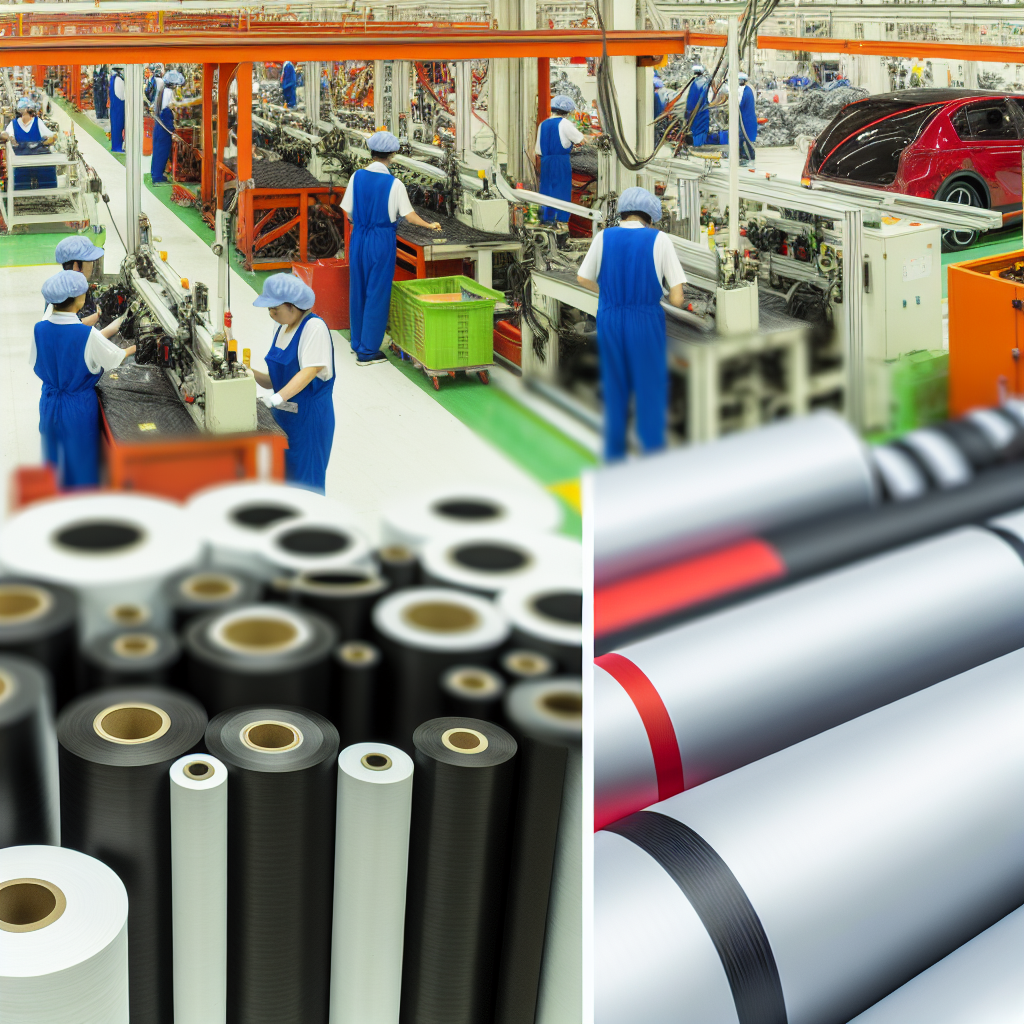
Carbon fiber fabric production has reached a record high in recent years, thanks to the growing demand in the automotive industry. This lightweight and strong material has become a popular choice for car manufacturers, especially with the rise of electric vehicles (EVs). In this article, we will explore the reasons behind this surge in demand and the benefits of using carbon fiber fabric in the automotive industry.
One of the main reasons for the increasing demand for carbon fiber fabric in the automotive industry is the push towards more sustainable and eco-friendly vehicles. With the global focus on reducing carbon emissions and combating climate change, many car manufacturers are turning to EVs as a solution. These vehicles run on electricity, which means they produce zero emissions while driving. However, to make these EVs more efficient, car manufacturers need to reduce their weight. This is where carbon fiber fabric comes in.
Compared to traditional materials like steel and aluminum, carbon fiber fabric is much lighter. In fact, it is five times stronger than steel and twice as strong as aluminum, while being significantly lighter. This makes it an ideal material for EVs, as it can reduce the overall weight of the vehicle, making it more energy-efficient and increasing its range. This is crucial for EVs, as their success depends on their ability to travel longer distances on a single charge.
Moreover, carbon fiber fabric is also known for its durability and strength. It is resistant to corrosion, which is a common issue with traditional materials used in the automotive industry. This means that cars made with carbon fiber fabric will have a longer lifespan, reducing the need for frequent replacements and repairs. This not only benefits the environment by reducing waste but also saves car manufacturers and consumers money in the long run.
Another factor contributing to the growing demand for carbon fiber fabric in the automotive industry is its versatility. This material can be molded into various shapes and sizes, making it suitable for different parts of a car. From body panels to chassis components, carbon fiber fabric can be used in various applications, providing car manufacturers with more design flexibility. This allows them to create sleek and aerodynamic designs, which not only look visually appealing but also improve the car’s performance.
Furthermore, the use of carbon fiber fabric in the automotive industry has also led to advancements in technology. As more car manufacturers incorporate this material into their vehicles, the production processes have become more efficient and cost-effective. This has resulted in a decrease in the overall cost of carbon fiber fabric, making it more accessible for car manufacturers. As a result, we have seen a significant increase in the production of this material, reaching a record high in recent years.
In conclusion, the growing demand for carbon fiber fabric in the automotive industry is driven by the need for more sustainable and efficient vehicles. Its lightweight, durability, and versatility make it an ideal material for EVs, which are becoming increasingly popular. With advancements in technology and a decrease in production costs, we can expect to see even more car manufacturers incorporating carbon fiber fabric into their vehicles in the future. This not only benefits the automotive industry but also contributes to a greener and more sustainable future.
Innovations in Carbon Fiber Fabric Production to Meet the Demands of the EV Market
Carbon fiber fabric production has reached a record high in recent years, thanks to the growing demand for electric vehicles (EVs). As the world shifts towards more sustainable transportation options, the need for lightweight and durable materials has become crucial. This has led to innovations in carbon fiber fabric production, allowing manufacturers to meet the demands of the rapidly expanding EV market.
One of the main reasons for the surge in carbon fiber fabric production is its unique properties. Carbon fiber is five times stronger than steel and twice as stiff, yet significantly lighter. This makes it an ideal material for EVs, as it reduces the overall weight of the vehicle, increasing its energy efficiency and range. Additionally, carbon fiber is corrosion-resistant and has a high strength-to-weight ratio, making it a durable and long-lasting material.
To meet the demands of the EV market, manufacturers have been investing in new technologies and processes to increase the production of carbon fiber fabric. One such innovation is the use of automated production lines. These advanced systems allow for a more efficient and precise production process, resulting in higher quality carbon fiber fabric. They also reduce the production time, making it possible to meet the growing demand for EVs.
Another innovation in carbon fiber fabric production is the development of new types of carbon fibers. Traditionally, carbon fibers were made from polyacrylonitrile (PAN), a petroleum-based product. However, with the push towards sustainability, manufacturers have been exploring alternative sources for carbon fibers. One such source is lignin, a natural polymer found in plants. Lignin-based carbon fibers have shown promising results, with similar strength and stiffness as PAN-based fibers, but at a lower cost and with a lower carbon footprint.
In addition to new types of carbon fibers, there have also been advancements in the production process itself. One of the challenges in carbon fiber production is the high energy consumption and carbon emissions. To address this issue, manufacturers have been implementing more sustainable production methods, such as using renewable energy sources and optimizing the production process to reduce waste and emissions.
Moreover, the use of recycled carbon fibers has also gained traction in the industry. This involves breaking down used carbon fiber products and incorporating them into new carbon fiber fabric. This not only reduces the environmental impact of production but also lowers the cost of carbon fiber fabric, making it more accessible for EV manufacturers.
The innovations in carbon fiber fabric production have not only benefitted the EV market but also other industries such as aerospace and sports. The lightweight and strong properties of carbon fiber make it an ideal material for aircraft and sporting equipment. With the advancements in production, the cost of carbon fiber has also decreased, making it more feasible for these industries to incorporate it into their products.
However, despite the progress made in carbon fiber fabric production, there are still challenges that need to be addressed. One of the main challenges is the high cost of production. While the cost has decreased in recent years, it is still significantly higher than traditional materials such as steel and aluminum. This makes it difficult for EV manufacturers to produce affordable electric vehicles, hindering the widespread adoption of EVs.
In conclusion, the demand for electric vehicles has driven the production of carbon fiber fabric to a record high. The unique properties of carbon fiber make it an ideal material for EVs, and with the advancements in production, it has become more accessible and sustainable. However, there are still challenges that need to be addressed to further improve the production process and reduce the cost of carbon fiber. With continued innovation and investment, carbon fiber fabric has the potential to revolutionize the transportation industry and pave the way for a more sustainable future.
Q&A
1. What is carbon fiber fabric?
Carbon fiber fabric is a lightweight and strong material made from carbon fibers that are woven together to create a fabric-like structure. It is commonly used in industries such as aerospace, automotive, and sports equipment due to its high strength-to-weight ratio.
2. Why has carbon fiber fabric production hit a record high?
Carbon fiber fabric production has hit a record high due to the increasing demand for electric vehicles (EVs). EVs require lightweight materials to improve their range and performance, and carbon fiber fabric is a popular choice due to its strength and light weight. As the demand for EVs continues to rise, so does the demand for carbon fiber fabric.
3. How is the EV boom impacting carbon fiber fabric production?
The EV boom has had a significant impact on carbon fiber fabric production as it has become a key component in the manufacturing of EVs. With more and more car manufacturers shifting towards producing electric vehicles, the demand for carbon fiber fabric has increased, leading to a record high in production. This trend is expected to continue as the EV market continues to grow.