


-
Table of Contents
“Leading the way in sustainable and high-performance materials, Asia-Pacific dominates as the premier destination for carbon fiber yarn production.”
Introduction
The Asia-Pacific region has emerged as the leading producer of carbon fiber yarn, with countries such as China, Japan, and South Korea leading the way. This growth can be attributed to the increasing demand for lightweight and high-strength materials in various industries, including aerospace, automotive, and sporting goods. The region’s advanced manufacturing capabilities and investments in research and development have also contributed to its dominance in the carbon fiber yarn production market. As the demand for carbon fiber yarn continues to rise, the Asia-Pacific region is expected to maintain its position as the top production hub for this versatile and in-demand material.
The Growth of Carbon Fiber Yarn Production in the Asia-Pacific Region
Carbon fiber yarn, a lightweight and strong material, has been gaining popularity in various industries such as aerospace, automotive, and sports equipment. With its high strength-to-weight ratio and resistance to corrosion and heat, it has become a preferred choice for manufacturers looking to create durable and efficient products. In recent years, the Asia-Pacific region has emerged as the top producer of carbon fiber yarn, surpassing traditional leaders such as the United States and Europe. This article will delve into the growth of carbon fiber yarn production in the Asia-Pacific region and the factors contributing to its success.
The Asia-Pacific region, which includes countries such as China, Japan, South Korea, and India, has seen a significant increase in carbon fiber yarn production in the past decade. According to a report by MarketsandMarkets, the global carbon fiber market is expected to reach $13.3 billion by 2025, with the Asia-Pacific region accounting for the largest share. This growth can be attributed to several factors, including the region’s strong manufacturing capabilities, government support, and increasing demand for lightweight and fuel-efficient products.
One of the key factors driving the growth of carbon fiber yarn production in the Asia-Pacific region is the region’s strong manufacturing capabilities. Countries like China and Japan have well-established manufacturing industries, with advanced technology and skilled labor. This has allowed them to quickly adopt and integrate carbon fiber yarn into their production processes. Additionally, the availability of raw materials such as polyacrylonitrile (PAN) and low labor costs have made the region an attractive destination for carbon fiber production.
Moreover, governments in the Asia-Pacific region have been actively promoting the use of carbon fiber in various industries. For instance, China’s 13th Five-Year Plan includes a focus on developing advanced materials, including carbon fiber, to support the country’s transition to a high-tech manufacturing hub. Similarly, Japan’s Ministry of Economy, Trade, and Industry has been providing subsidies and tax incentives to companies investing in carbon fiber production. These initiatives have encouraged companies to invest in research and development, leading to the growth of carbon fiber yarn production in the region.
Another significant factor contributing to the growth of carbon fiber yarn production in the Asia-Pacific region is the increasing demand for lightweight and fuel-efficient products. With the rise of environmental concerns and stricter regulations on emissions, industries such as automotive and aerospace are looking for ways to reduce the weight of their products without compromising on strength and durability. Carbon fiber yarn, with its high strength-to-weight ratio, has become a preferred material for these industries. This has led to an increase in demand for carbon fiber yarn in the region, further driving its production.
The Asia-Pacific region’s dominance in carbon fiber yarn production has also been fueled by the presence of major players in the market. Companies like Toray Industries, Teijin Limited, and Mitsubishi Chemical Corporation, all based in Japan, are among the top producers of carbon fiber yarn globally. These companies have been investing in expanding their production capacities and developing new and innovative products to meet the growing demand in the region.
In conclusion, the Asia-Pacific region has emerged as the top producer of carbon fiber yarn, surpassing traditional leaders in the market. The region’s strong manufacturing capabilities, government support, and increasing demand for lightweight and fuel-efficient products have all contributed to this growth. With the continued focus on research and development and the presence of major players in the market, the Asia-Pacific region is expected to maintain its position as the top carbon fiber yarn production hub in the years to come.
Factors Contributing to the Emergence of Asia-Pacific as a Leading Carbon Fiber Yarn Producer
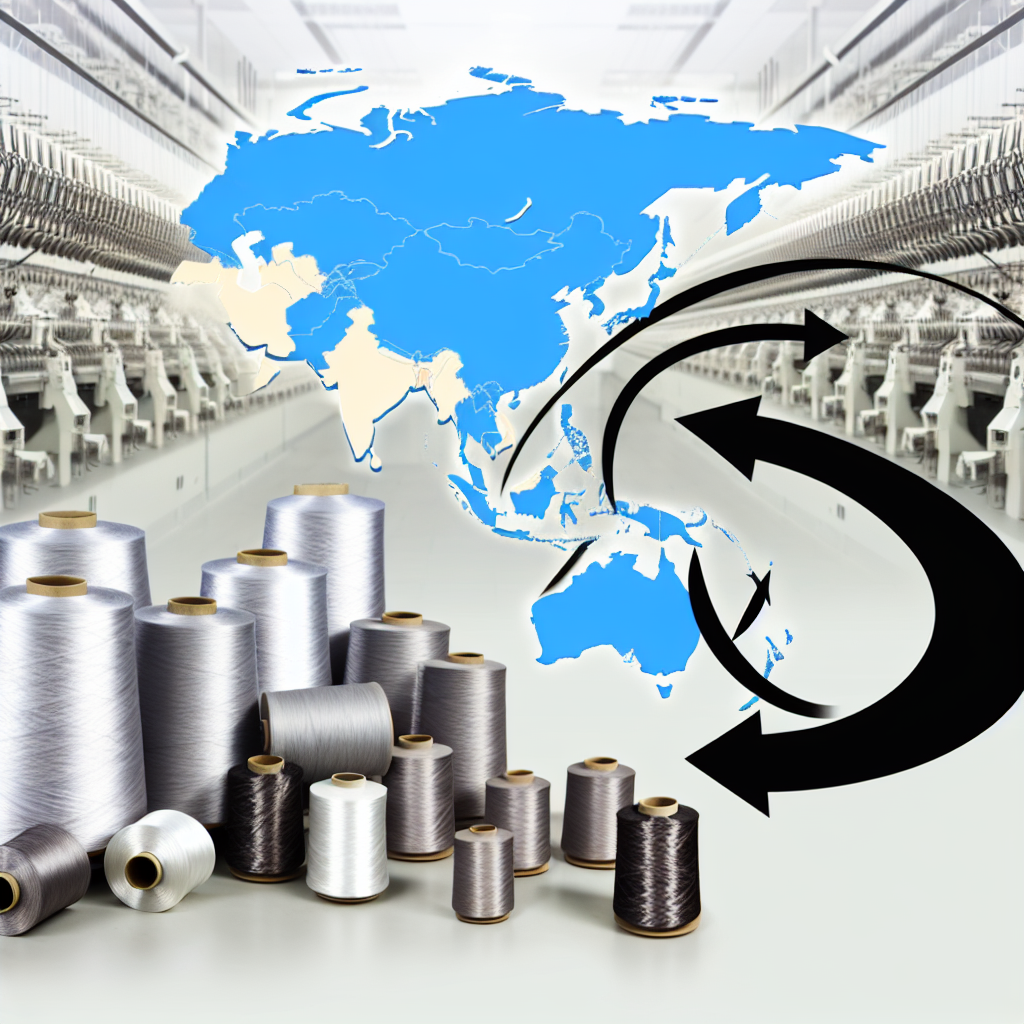
Carbon fiber yarn is a lightweight and strong material that has become increasingly popular in various industries, including aerospace, automotive, and sporting goods. As the demand for this versatile material continues to grow, the Asia-Pacific region has emerged as the top producer of carbon fiber yarn. This shift in production has been driven by several factors, including technological advancements, government support, and cost-effectiveness.
One of the key factors contributing to the emergence of Asia-Pacific as a leading carbon fiber yarn producer is the region’s technological advancements. With the rapid development of technology, manufacturers in Asia-Pacific have been able to produce high-quality carbon fiber yarn at a faster rate and with greater precision. This has allowed them to meet the increasing demand for carbon fiber yarn in various industries.
Moreover, the Asia-Pacific region has also seen significant investments in research and development of carbon fiber technology. This has led to the development of new and improved production methods, resulting in higher quality and more cost-effective carbon fiber yarn. These advancements have given manufacturers in the region a competitive edge in the global market, making them a preferred choice for many industries.
In addition to technological advancements, government support has played a crucial role in the emergence of Asia-Pacific as a top carbon fiber yarn producer. Governments in the region have recognized the potential of carbon fiber technology and have implemented policies and initiatives to support its growth. For instance, the Chinese government has invested heavily in the development of carbon fiber technology, providing subsidies and tax incentives to manufacturers. This has not only encouraged domestic production but has also attracted foreign investment, further boosting the region’s production capabilities.
Furthermore, the Asia-Pacific region has also benefitted from its strategic location. With its close proximity to major markets such as China, Japan, and South Korea, manufacturers in the region have easy access to a large customer base. This has allowed them to expand their production and distribution networks, making it easier for them to meet the growing demand for carbon fiber yarn.
Another significant factor contributing to the emergence of Asia-Pacific as a top carbon fiber yarn producer is its cost-effectiveness. The region has a lower cost of production compared to other regions, such as Europe and North America. This is due to factors such as lower labor costs, cheaper raw materials, and government support. As a result, manufacturers in Asia-Pacific can offer competitive prices for their carbon fiber yarn, making them an attractive option for industries looking to reduce production costs.
Moreover, the Asia-Pacific region has also seen a rise in demand for carbon fiber yarn from its own industries. With the growth of the automotive and aerospace industries in countries like China and Japan, there has been a significant increase in the use of carbon fiber materials. This has created a self-sustaining market for carbon fiber yarn in the region, further driving its production and growth.
In conclusion, the emergence of Asia-Pacific as a top carbon fiber yarn producer can be attributed to a combination of factors, including technological advancements, government support, strategic location, and cost-effectiveness. With the region’s continued focus on research and development and its growing demand for carbon fiber materials, it is expected to maintain its position as a leading producer in the global market. As industries continue to recognize the benefits of using carbon fiber yarn, the demand for this material is only expected to increase, further solidifying Asia-Pacific’s position as a key player in the production of carbon fiber yarn.
Challenges and Opportunities for the Asia-Pacific Carbon Fiber Yarn Industry
The Asia-Pacific region has emerged as the top producer of carbon fiber yarn, with countries like China, Japan, and South Korea leading the way. This growth can be attributed to the increasing demand for lightweight and high-strength materials in various industries, such as aerospace, automotive, and sports equipment. However, with this growth comes a set of challenges and opportunities for the Asia-Pacific carbon fiber yarn industry.
One of the main challenges faced by the industry is the high cost of production. Carbon fiber yarn is a highly specialized material that requires advanced technology and skilled labor to produce. This results in a high production cost, making it difficult for manufacturers to compete with other materials like steel and aluminum. As a result, the price of carbon fiber yarn is significantly higher than traditional materials, making it less accessible for some industries.
Another challenge for the Asia-Pacific carbon fiber yarn industry is the lack of standardization in production processes. Each manufacturer has its own unique process, resulting in variations in the quality and properties of the final product. This makes it difficult for buyers to compare and choose the best quality carbon fiber yarn, leading to a lack of trust in the market. To address this issue, there is a need for standardization and certification of production processes to ensure consistency and quality across the industry.
Despite these challenges, the Asia-Pacific carbon fiber yarn industry also presents numerous opportunities for growth. One of the main opportunities is the increasing demand for lightweight materials in the automotive industry. With the rise of electric and hybrid vehicles, there is a growing need for lightweight materials to improve fuel efficiency. Carbon fiber yarn, with its high strength-to-weight ratio, is an ideal material for this purpose. As a result, many automotive manufacturers in the region are incorporating carbon fiber yarn into their production processes, creating a significant market for the industry.
Moreover, the Asia-Pacific region is also witnessing a surge in the demand for carbon fiber yarn in the aerospace industry. With the increasing number of air travelers and the need for fuel-efficient aircraft, there is a growing demand for lightweight materials in the aerospace sector. Carbon fiber yarn is being used in various aircraft components, such as wings, fuselage, and engine parts, due to its high strength and low weight. This presents a significant opportunity for the Asia-Pacific carbon fiber yarn industry to expand its market in the aerospace sector.
In addition to the automotive and aerospace industries, the sports equipment sector is also a potential market for carbon fiber yarn in the Asia-Pacific region. With the rise of fitness and sports activities, there is a growing demand for lightweight and durable equipment. Carbon fiber yarn is being used in the production of sports equipment like tennis rackets, golf clubs, and bicycles, due to its high strength and stiffness. This presents an opportunity for the industry to tap into the growing sports equipment market in the region.
To fully capitalize on these opportunities, the Asia-Pacific carbon fiber yarn industry needs to address the challenges it faces. One way to do this is by investing in research and development to improve production processes and reduce costs. This will not only make carbon fiber yarn more affordable but also improve its quality and consistency. Additionally, collaboration and standardization among manufacturers can help build trust in the market and attract more buyers.
In conclusion, the Asia-Pacific region has emerged as the top producer of carbon fiber yarn, with a growing demand in various industries. While the industry faces challenges such as high production costs and lack of standardization, there are also significant opportunities for growth in the automotive, aerospace, and sports equipment sectors. By addressing these challenges and capitalizing on opportunities, the Asia-Pacific carbon fiber yarn industry can continue to thrive and solidify its position as a global leader in the production of this advanced material.
Q&A
1. What factors have contributed to the Asia-Pacific region becoming the top producer of carbon fiber yarn?
– The Asia-Pacific region has a strong manufacturing base and skilled labor force, making it an ideal location for carbon fiber production.
– The region also has access to abundant raw materials, such as petroleum and coal, which are used in the production of carbon fiber.
– Government support and investment in the development of advanced manufacturing technologies have also played a role in the growth of the carbon fiber industry in Asia-Pacific.
2. How does the Asia-Pacific region’s dominance in carbon fiber production impact the global market?
– The Asia-Pacific region’s dominance in carbon fiber production has led to a decrease in production costs, making it a more cost-effective option for manufacturers.
– This has also resulted in a higher supply of carbon fiber, leading to increased usage in various industries such as aerospace, automotive, and sports equipment.
– The region’s strong production capabilities have also made it a key player in the global carbon fiber market, driving competition and innovation.
3. Are there any challenges that the Asia-Pacific region faces in maintaining its position as the top carbon fiber yarn producer?
– One challenge is the increasing competition from other regions, such as North America and Europe, which are also investing in carbon fiber production.
– The region also faces environmental concerns and regulations surrounding the production of carbon fiber, which may impact its growth in the future.
– Additionally, the high cost of production and limited availability of skilled labor may also pose challenges for the Asia-Pacific region in maintaining its position as the top producer of carbon fiber yarn.