


-
Table of Contents
“Aramid vs. Kevlar: Unraveling the Key Differences for Superior Soft Bulletproof Vests.”
Introduction
Aramid and Kevlar are both high-performance synthetic fibers widely used in the production of soft bulletproof vests, but they possess distinct characteristics that influence their effectiveness and application. Aramid fibers, a class of heat-resistant and strong synthetic fibers, are known for their durability, lightweight nature, and resistance to abrasion. Kevlar, a specific type of aramid fiber developed by DuPont, is particularly renowned for its exceptional tensile strength and impact resistance, making it a popular choice for ballistic protection. Understanding the key differences between aramid and Kevlar is essential for manufacturers and consumers alike, as these variations can significantly affect the performance, comfort, and overall safety of soft bulletproof vests.
Aramid Fiber Properties and Performance in Soft Bulletproof Vests
Aramid fibers, a class of synthetic fibers known for their exceptional strength and heat resistance, play a crucial role in the development of soft bulletproof vests. These fibers, which include well-known brands such as Kevlar, are engineered to provide superior ballistic protection while maintaining comfort and flexibility for the wearer. The unique molecular structure of aramid fibers contributes to their high tensile strength, making them ideal for applications where durability and performance are paramount. When considering the properties of aramid fibers in the context of soft bulletproof vests, it is essential to understand how these characteristics translate into real-world performance.
One of the most significant advantages of aramid fibers is their lightweight nature. This property is particularly important in the design of soft bulletproof vests, as it allows for greater mobility and comfort for the wearer. Traditional ballistic materials can be cumbersome and restrictive, but aramid fibers enable the creation of vests that are both protective and easy to wear for extended periods. Consequently, law enforcement officers and military personnel can perform their duties without being hindered by heavy armor, which is critical in high-stress situations.
In addition to their lightweight properties, aramid fibers exhibit remarkable resistance to abrasion and impact. This durability is essential for soft bulletproof vests, which must withstand not only ballistic threats but also the rigors of daily use. The ability of aramid fibers to absorb and dissipate energy from impacts helps to reduce the risk of injury to the wearer. Furthermore, the inherent resistance of aramid fibers to environmental factors, such as moisture and UV radiation, ensures that the vests maintain their protective qualities over time, even in challenging conditions.
Another key aspect of aramid fibers is their thermal stability. These fibers can withstand high temperatures without degrading, which is particularly beneficial in scenarios where heat exposure is a concern. For instance, in situations involving firearms, the heat generated from gunfire can be significant. Vests made from aramid fibers can provide a level of protection against heat-related injuries, thereby enhancing the overall safety of the wearer. This thermal resistance also contributes to the longevity of the vests, as they are less likely to suffer damage from heat exposure compared to other materials.
Moreover, the flexibility of aramid fibers allows for the design of vests that conform to the body’s shape, providing a snug fit that enhances both comfort and protection. This adaptability is crucial, as it ensures that the vest does not impede movement, allowing the wearer to respond quickly and effectively in dynamic situations. The combination of flexibility and strength means that aramid-based vests can be tailored to meet specific operational needs, whether for law enforcement, military, or personal protection.
In conclusion, the properties of aramid fibers, including their lightweight nature, durability, thermal stability, and flexibility, make them an ideal choice for soft bulletproof vests. These characteristics not only enhance the protective capabilities of the vests but also ensure that they remain comfortable and functional for the wearer. As advancements in material science continue to evolve, the role of aramid fibers in personal protective equipment will likely expand, further improving safety and performance in various applications. Understanding these key differences and properties is essential for making informed decisions regarding ballistic protection, ultimately contributing to the safety and effectiveness of those who rely on these vital garments.
Kevlar’s Unique Advantages for Ballistic Protection
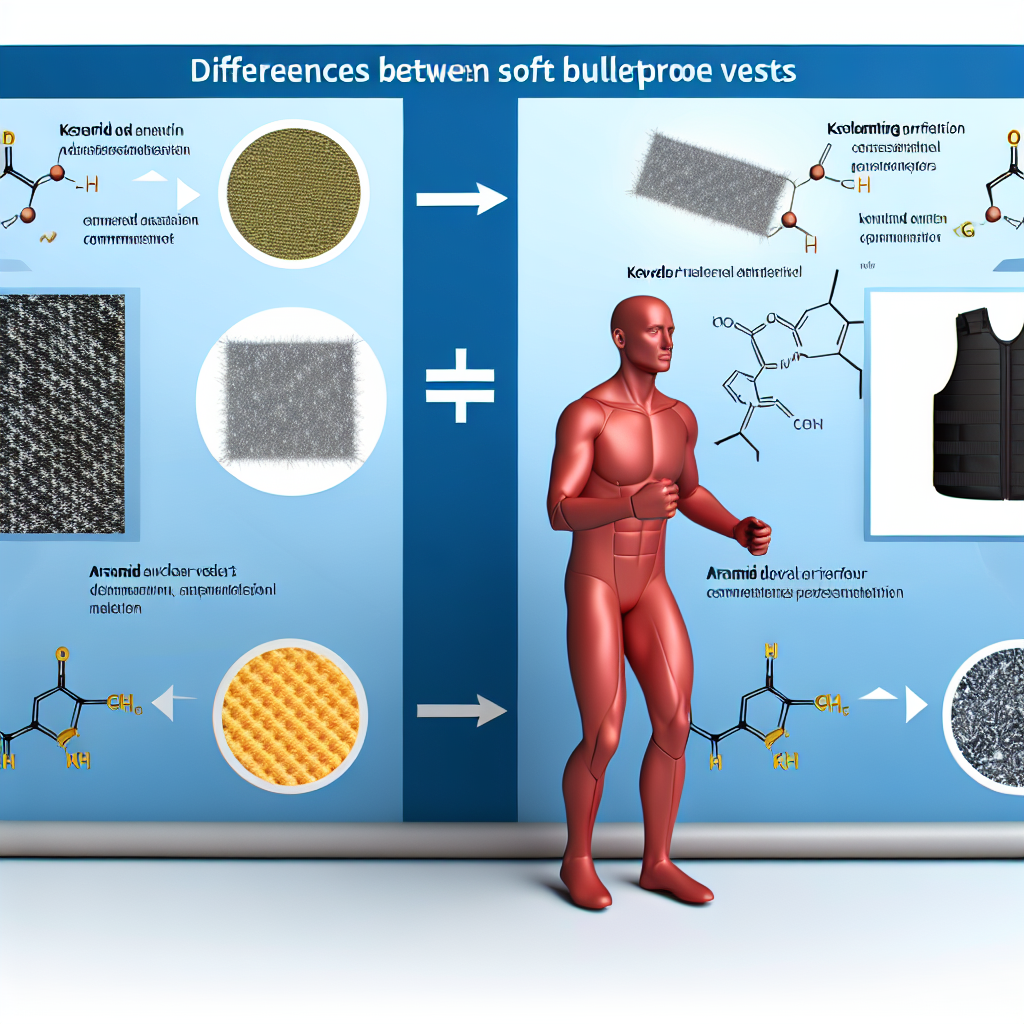
When discussing the materials used in soft bulletproof vests, Kevlar often emerges as a prominent choice due to its unique advantages in ballistic protection. Developed by DuPont in the 1960s, Kevlar is a type of aramid fiber that has gained widespread recognition for its exceptional strength-to-weight ratio. This characteristic is particularly crucial in the context of personal protective equipment, where the balance between mobility and safety is paramount. The lightweight nature of Kevlar allows for the creation of vests that provide substantial protection without compromising the wearer’s agility, making it an ideal material for law enforcement and military personnel.
One of the most significant advantages of Kevlar lies in its high tensile strength. Kevlar fibers are five times stronger than steel on an equal weight basis, which means that they can effectively absorb and disperse the energy from ballistic impacts. This energy absorption is critical in preventing penetration and reducing blunt force trauma, which can occur even when a bullet does not penetrate the vest. Consequently, Kevlar vests are designed to withstand various types of ammunition, providing a reliable layer of defense against potential threats.
Moreover, Kevlar exhibits excellent resistance to abrasion and cutting, further enhancing its suitability for ballistic protection. In environments where sharp objects or rough surfaces are prevalent, the durability of Kevlar ensures that the vests maintain their integrity over time. This resilience not only extends the lifespan of the protective gear but also contributes to the overall safety of the wearer. As a result, Kevlar vests are often favored in tactical situations where durability and reliability are essential.
In addition to its physical properties, Kevlar’s versatility in design is another factor that sets it apart from other materials. The fibers can be woven into various configurations, allowing manufacturers to create vests that are tailored to specific needs and threats. This adaptability means that Kevlar can be used in a range of applications, from lightweight concealable vests for undercover operations to heavier models designed for high-risk environments. The ability to customize the design and layering of Kevlar also enables manufacturers to enhance the protective capabilities of the vests, ensuring that they meet the evolving demands of modern threats.
Furthermore, Kevlar’s performance in extreme conditions is noteworthy. It maintains its protective qualities in a variety of temperatures and environmental conditions, which is crucial for personnel operating in diverse climates. This stability ensures that the vests remain effective regardless of the circumstances, providing peace of mind to those who rely on them for safety. Additionally, Kevlar is resistant to many chemicals, which can be an important consideration in certain operational contexts.
While other aramid fibers may offer similar benefits, Kevlar’s established reputation and extensive research backing its performance make it a preferred choice for ballistic protection. The combination of strength, durability, versatility, and reliability positions Kevlar as a leading material in the development of soft bulletproof vests. As the landscape of threats continues to evolve, the ongoing innovation in Kevlar technology promises to enhance the effectiveness of personal protective equipment, ensuring that those who serve and protect can do so with confidence in their safety. In conclusion, Kevlar’s unique advantages solidify its status as a cornerstone in the realm of ballistic protection, making it an indispensable material for soft bulletproof vests.
Comparative Analysis: Aramid vs. Kevlar in Soft Armor Applications
When it comes to the development of soft bulletproof vests, the choice of materials plays a crucial role in determining the effectiveness, comfort, and overall performance of the armor. Among the various materials available, aramid fibers and Kevlar are often compared due to their similar properties and applications in ballistic protection. While Kevlar is a specific brand of aramid fiber developed by DuPont, the term “aramid” encompasses a broader category of synthetic fibers that share certain characteristics. Understanding the key differences between aramid fibers and Kevlar is essential for manufacturers and consumers alike, as these distinctions can significantly impact the design and functionality of soft armor.
To begin with, it is important to note that both aramid fibers and Kevlar exhibit high tensile strength, which is a critical factor in their ability to absorb and disperse the energy from ballistic impacts. However, Kevlar is renowned for its exceptional strength-to-weight ratio, making it a preferred choice in many soft armor applications. This unique property allows for the creation of lightweight vests that do not compromise on protection, thereby enhancing the wearer’s mobility and comfort. In contrast, while other aramid fibers may also offer good strength, they often do not match the specific performance metrics of Kevlar, particularly in terms of weight and flexibility.
Moreover, the manufacturing processes for aramid fibers and Kevlar can lead to variations in their performance characteristics. Kevlar is produced through a proprietary process that ensures a consistent quality and uniformity in its fibers, which contributes to its reliability in ballistic applications. On the other hand, other aramid fibers may be produced using different methods, resulting in variations in their physical properties. This inconsistency can affect the overall performance of soft bulletproof vests made from these alternative aramid materials, potentially leading to a compromise in protection levels.
In addition to strength and manufacturing processes, the environmental resistance of these materials is another critical factor to consider. Kevlar is known for its excellent resistance to abrasion, heat, and chemicals, which enhances its durability in various conditions. This resilience is particularly important for soft armor that may be exposed to harsh environments or require extended use. While some aramid fibers also exhibit good resistance to environmental factors, they may not always match the performance of Kevlar, which can influence the longevity and reliability of the armor.
Furthermore, the cost of materials can also play a significant role in the decision-making process for manufacturers. Kevlar, being a well-established brand with a proven track record, often comes at a higher price point compared to other aramid fibers. This cost difference can lead some manufacturers to opt for alternative aramid materials in order to reduce production expenses. However, it is essential to weigh the potential savings against the possible trade-offs in performance and protection, as the effectiveness of soft bulletproof vests is paramount in ensuring the safety of the wearer.
In conclusion, while both aramid fibers and Kevlar have their respective advantages in soft bulletproof vest applications, the specific properties of Kevlar often make it the superior choice for optimal protection, comfort, and durability. The differences in strength, manufacturing processes, environmental resistance, and cost must be carefully considered by manufacturers and consumers alike. Ultimately, the choice between aramid and Kevlar will depend on the specific requirements of the intended use, highlighting the importance of informed decision-making in the realm of ballistic protection.
Q&A
1. **What is the primary material composition of Aramid and Kevlar?**
Aramid is a class of synthetic fibers, while Kevlar is a specific brand of aramid fiber developed by DuPont.
2. **How do Aramid and Kevlar differ in terms of strength and durability?**
Kevlar is known for its exceptional tensile strength and durability, making it more effective for ballistic protection compared to other aramid fibers.
3. **What are the implications of using Kevlar in soft bulletproof vests?**
Kevlar’s high strength-to-weight ratio allows for lighter and more flexible soft bulletproof vests, providing better comfort and mobility for the wearer while maintaining effective protection.